Growing potato in plants pots is one of the easiest and most satisfying ways to enjoy the taste of freshly grown potatoes, even if you do not have any land available for the purpose. With a garden, a balcony, a patio or even a roof top, you can easily cultivate healthy potatoes using the right technique.
A lot of people prefer growing potatoes in plants pots as it is easier to control various factors such as the quality of the soil, the availability of water, pests and drainage. Potatoes that are grown in pots are also much cleaner and easier to harvest without being infected with soil-borne diseases. This guide explains all the steps in detail.
Why Grow Potatoes in Pots?
Gardeners nowadays have taken interest in container gardening due to its convenience and adaptability to any place of residence. There are a number of benefits of growing potatoes in containers over conventional potato cultivation methods, particularly for novices.
Potato is a plant that grows under the ground; hence, using containers for cultivation is the perfect way to regulate the condition of the soil. It becomes easy to take the pot to a sunny spot and save it from excessive rainfall or invasion by weeds.
Benefits of Container Potato Gardening
| Benefit | Why It Matters |
| Space Saving | Perfect for patios, balconies, and small gardens |
| Better Drainage | Reduces the risk of waterlogged roots |
| Easier Harvest | Simply empty the container to collect potatoes |
| Fewer Weeds | Less competition for nutrients |
| Improved Soil Control | Use fresh, nutrient-rich growing mix |
| Better Pest Management | Easier to monitor plant health |
Choosing the Best Potato Variety
This is not to say that all types of potatoes will grow well in the pot. While some will mature faster, others will yield more. The selection of the type of potatoes will be the key factor in growing potato in pots.
Early varieties are the ones that are usually recommended for their shorter growing time and performance in pots. Maincrop varieties may also grow well provided there are bigger pots.
Recommended Varieties of Potatoes
• Yukon Gold
• Red Norland
• Charlotte
• Fingerling Potatoes
• Purple Majesty
• Russet (bigger pots)
• Kennebec
Using certified seed potato and not those bought from groceries can increase your chances of healthy plants.
Selecting the Right Pot or Container
Container is an essential aspect that must be container potato sing container gardening methods. It is necessary to ensure that the container provides sufficient space for roots and tuber development.
An ideal container must be deep, spacious, and provide many drainage holes. Grow fabric bags, plastic containers, wooden boxes, and even food-grade buckets can be ideal containers.
Best Container Options
| Container Type | Advantages | Best For |
| Fabric Grow Bags | Excellent drainage and airflow | Beginners |
| Plastic Pots | Lightweight and affordable | Small patios |
| Wooden Planters | Attractive and durable | Decorative gardens |
| Buckets with Drainage | Budget-friendly | DIY gardeners |
| Potato Grow Bags | Easy harvesting | Small spaces |
Ideal Container Size
In order to get good results from growing potato in plants pots select pots which have a minimum dimension of:
• 15–20 inches in depth
• 16–20 inches in width
• 10–20 gallons in volume
Larger pots result in bigger yields as they have more space for tuber development.
Choosing the Best Soil
One of the essential elements in growing healthy potatoes is having healthy soil. It is important to note that unlike garden soil, container soil must be light and rich in organic matter.
The best soil for potatoes plants must have moisture-retaining properties and good drainage. One must avoid using heavy clay soil since this affects tuber growth and causes rot.
Perfect Potting Soil Combination
Some of the materials that could be found in a perfect mix include:
• Good quality potting soil
• Compost
• Coconut coir/peat moss
• Perlite/coarse sand
• Organic fertilizer
Preparing Seed Potatoes
Take a close look at your seed potatoes prior to planting. Make sure you have selected strong and healthy seed potatoes that do not have any mold, soft parts or diseases.
There is a process called “chatting” which means that many gardeners leave their seed potatoes in a cool place with good lighting for two to four weeks prior to planting.
Large potatoes that are bigger than an egg can be cut into smaller pieces as long as there will be at least two sprouts on each piece. It is also recommended to allow the cut parts to dry for one day.
Step-by-Step Guide to Growing Potato Plants in Pots
Potato cultivation in containers is an easy process once each step is carried out in a careful manner.
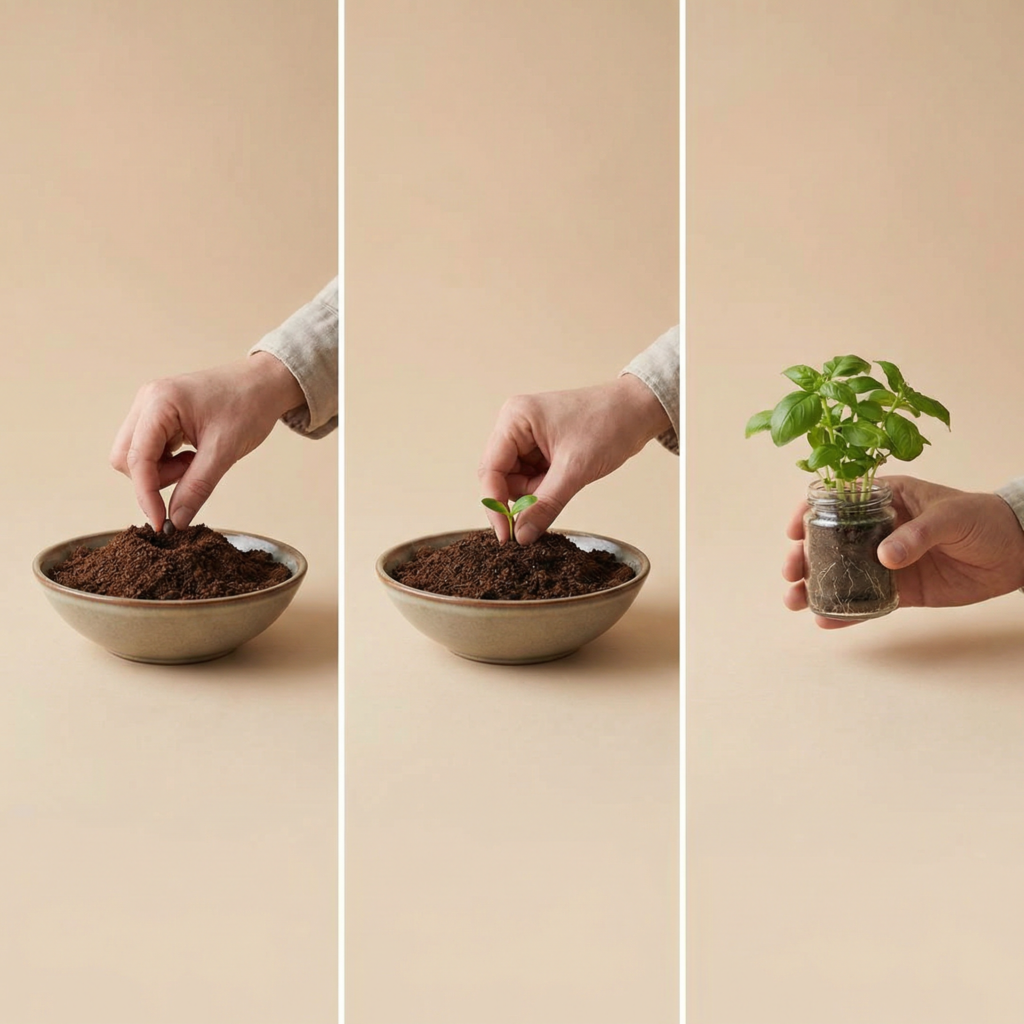
Step 1: Preparing the Container
Add about 4-6 inches of soil into the base of the container. Drainage openings should be kept open.
Step 2: Placing Seed Potatoes
Place two to four seed potatoes on the top of the soil, according to the size of the container. Ensure there is ample room between each tuber for healthy root development.
Step 3: Adding Soil on Top
Cover the potatoes with 3-4 inches of soil. Irrigate the planting medium until it is moist.
Step 4: Moving into the Sunlight
The container should be moved to an area that receives at least 6 to 8 hours of sunlight daily.
Watering Potato Plants Correctly
Adequate watering is very important while growing potato plants in pots as pots tend to get dry easily than garden soil.
Keep the soil moderately moist but do not keep it water-logged. Pots can be watered every day during the summer months. Insert your finger an inch or two deeps into the soil and see if it is dry.
It is important not to allow the soil to dry up, especially during flowering period as this is when potatoes are developed underground.
Feeding the Plant for Good Growth
Potatoes are known to be heavy feeders. Regular feeding will be good for growing potatoes.
Select a well-balanced fertilizer when growing the plants, but shift to a fertilizer that has higher content of potassium when they start flowering as potassium helps the tubers develop well.
There are many organic fertilizers available like compost tea, well-decomposed compost, fish emulsion, or sea weed fertilizer.
Earthing Up: A Key to Bigger Harvests
One of the essential steps involved in growing potato plants in pots is the process of earthing up or hilling.
As stems reach a height of about 6 to 8 inches, more potting mix should be added to cover them up, leaving the top leaves visible. The process is to be repeated a number of times throughout the growing period until the pot is almost filled.
Earthing up helps prevent potatoes from being exposed to the sun and turning green; at the same time, it helps the plant produce more potatoes by stimulating the development of more tubers on buried stems.
Sunlight Requirements for Healthy Potato Plants
The most influential factor when it comes to growing potato plants in pots is the availability of sufficient sunlight. Potatoes need lots of sunlight in order to develop healthy foliage that will provide the necessary energy for the development of tubers below ground.
It is recommended to put the containers in such a place that would give them 6 – 8 hours of direct sunlight each day. Afternoon shade is especially welcome in the hottest climates without reducing the plant’s health.
Ideal Temperature for Growing Potatoes
| Growth Stage | Ideal Temperature |
| Sprouting | 50–60°F (10–16°C) |
| Vegetative Growth | 60–70°F (16–21°C) |
| Tuber Development | 60–68°F (16–20°C) |
| Harvest Time | Cool, dry weather |
If temperatures regularly exceed 85°F (29°C), consider moving containers to a cooler location during the hottest part of the day.
Companion Plants for Container Potatoes
Companion planting increases biodiversity and can assist in naturally reducing pest infestations. Although there is a lack of space in a container, pots located close by may still have the benefits of companion planting.
Some companions to grow are
Marigold that helps in keeping pests away.
• Basil that assists in attracting beneficial insects.
• Parsley to help attract pollinators.
• Chives that can help deter aphids.
• Calendula that will improve biodiversity in the garden.
Do not place potatoes near tomatoes, peppers, and eggplants as they are from the same plant family and can have similar diseases
Common Problems When Growing Potatoes in Containers
Sometimes, even seasoned gardeners can run into issues.
Problem Detection
Quick detection can save your crops.
Yellow Leaves
They can come about through too much water, lack of nutrients, or simply age at the time of harvesting.
Small Potato Harvests
Low yield usually happens because of small pots, lack of sunlight, or improper earthing up.
Green Potatoes
If the potatoes have been exposed to sun, they turn green due to natural chemicals and are not fit for consumption. Make sure they remain always covered with soil.
Split Potatoes
Irrigation inconsistencies, especially when there is drought and sudden watering afterward
Common Potato Pests
Effective monitoring is key to the growing potato plants in pots. While there are less problems caused by containers, pests could still be present.
Aphids
Tiny pests that suck the sap out of plants and can carry diseases. They can be easily washed away or treated with insecticidal soap.
Colorado Potato Beetles
These pests, along with their larvae, eat up lots of potato leaves. Manually removing both adult pests and their egg clusters is an effective organic pest treatment.
Slugs
Sometimes slugs will find shelter under containers and eat potato leaves and exposed potatoes. Proper cleaning of debris and watering in the morning can prevent slugs.
Preventing Potato Diseases
Container growing reduces the risk of disease but is not the ideal way to prevent it.
Here is what you should do:
• Plant certified seed potatoes.
• Always use fresh potting soil.
• Make sure there is good drainage.
• Take care not to overwater your plants.
• Discard unhealthy leaves immediately.
• Crop rotation should be practiced when using containers for vegetables.
Organic Care Tips
Most home gardeners try to avoid chemical pesticides and fertilizers. It is good to know that growing potato plants in pots is highly effective without the use of chemicals.
Organic techniques for planting include:
• Regular addition of compost.
• Applying seaweed fertilizer.
• Mulching to retain moisture in the soil.
• Promoting beneficial insects.
• Manually removing any pests.
How to Maximize Your Potato Harvest
A few simple techniques can significantly increase yields when growing potato plants in pots.
| Technique | Benefit |
| Use large containers | Allows more tubers to develop |
| Choose certified seed potatoes | Healthier plants |
| Earth up regularly | Encourages additional potato formation |
| Water consistently | Prevents stress and cracking |
| Feed with potassium | Supports tuber growth |
| Provide full sun | Maximizes photosynthesis |
Even small adjustments throughout the season can produce noticeably larger harvests.
Growing Potatoes on Balconies and Patios
The most significant benefit of container potato gardening. People living in apartments or houses that do not have much outdoor space can still have fresh potatoes.
Fabric grow bags, decorative planters, or large buckets are easy to place on a sunny balcony, patio, rooftop, or paved courtyard. Because containers are portable, you can relocate them depending on light or weather conditions.
Harvesting Potatoes
Knowing when to harvest is just as important as planting correctly.
New Potatoes
Little potatoes, also known as new potatoes, can generally be harvested after about two to three weeks of flowering. Dig away some soil from the side of the pot and harvest only those potatoes that you require.
Potatoes for Storage
When cultivating storage potatoes, wait until the leaves become yellow and wilt naturally. This will help the skin toughen, ensuring better storage.
One big benefit of growing potato plants in pots is that harvesting becomes an easy task. Just upend the pot on a tarpaulin or in a wheelbarrow.
Storing Freshly Harvested Potatoes
Proper storage helps preserve flavor and quality for months.
After harvesting:
- Brush off excess soil without washing.
- Allow potatoes to cure in a cool, dry place for several days.
- Store them in a dark, well-ventilated location.
- Avoid plastic bags that trap moisture.
- Check periodically and remove any damaged potatoes.
Stored correctly, many potato varieties remain fresh for several months.
Common Mistakes Beginners Should Avoid
Learning how to grow potatoes in pots becomes much easier when you avoid these common mistakes.
| Mistake | Better Practice |
| Using containers without drainage | Choose pots with multiple drainage holes |
| Planting grocery store potatoes | Use certified seed potatoes |
| Overwatering | Keep soil evenly moist, not soggy |
| Ignoring earthing up | Add soil as stems grow |
| Using heavy garden soil | Choose light, well-draining potting mix |
| Crowding too many potatoes | Allow adequate spacing for tuber development |
Expert Tips for Success
Experienced gardeners often achieve excellent results by focusing on consistency rather than complicated techniques.
Water deeply instead of lightly, inspect plants every few days for pests, replenish nutrients throughout the growing season, and harvest carefully to avoid damaging tubers. Small improvements in routine care often lead to significantly larger yields.
Seasonal Calendar for Growing Potatoes in Pots
Timing plays an important role in growing potato plants in pots. Planting during the correct season allows potatoes to develop under favorable temperatures, resulting in healthier plants and larger harvests.
| Season | Gardening Activity |
| Late Winter | Purchase certified seed potatoes and begin chatting. |
| Early Spring | Plant potatoes in containers after the risk of hard frost has passed. |
| Mid Spring | Water regularly and begin the first earthing-up process. |
| Early Summer | Fertilize, monitor for pests, and continue adding soil around stems. |
| Mid to Late Summer | Harvest new potatoes or allow plants to mature fully. |
| Autumn | Harvest mature potatoes, clean containers, and prepare them for the next growing season. |
Following a seasonal routine helps maintain healthy plants while reducing stress caused by unfavorable weather conditions.
Advanced Tips for Bigger Potato Harvests
Once you have mastered the basics of growing potato plants in pots, a few advanced techniques can further improve production.
Rotate Containers Each Season
Avoid using the same potting mix year after year for potatoes. Refreshing the soil reduces the buildup of pests and diseases while restoring nutrients.
Mulch the Soil Surface
Applying a thin layer of straw or shredded leaves helps conserve moisture, regulate soil temperature, and reduce evaporation during warm weather.
Water Deeply
Frequent shallow watering encourages weak root systems. Instead, water thoroughly so moisture reaches the lower part of the container where tubers are developing.
Feed at the Right Time
Use a balanced fertilizer during early growth, then switch to a potassium-rich fertilizer once flowering begins. This supports larger and healthier potatoes.
Harvest Carefully
Instead of pulling plants from the stem, gently empty the container onto a tarp and separate the potatoes by hand. This reduces damage and improves storage quality.
Pros and Cons of Growing Potatoes in Pots
| Pros | Cons |
| Perfect for small gardens, patios, and balconies | Containers dry out faster than garden beds |
| Easier harvesting with less digging | Requires regular watering |
| Better drainage reduces root diseases | Large containers can be heavy to move |
| Fewer weeds compared to ground planting | Potting mix needs replacing after several seasons |
| Better control over soil quality | Limited container size may reduce total yield |
| Portable containers can be moved to follow sunlight | Plants may need more frequent feeding |
For most home gardeners, the advantages of growing potato plants in pots far outweigh the challenges, especially when space is limited.
Sustainability Benefits of Container Potato Gardening
Vegetable growing can make your life more sustainable. Growing vegetables in containers, such as potatoes, can help decrease food transportation, waste from packaging, and reliance on commercially grown vegetables.
The homegrown potatoes can be picked when required, thus avoiding food waste while providing a fresh taste. There are also other actions you can take, such as reusing containers, creating compost and harvesting rainwater.
Frequently Asked Questions
Can I grow potatoes in pots all year?
Potatoes thrive during cold seasons like spring or fall in most areas. If the region is free from frost, you can plant the crop in several seasons depending on the prevailing weather.
Which is the best container for growing potatoes in containers?
Fabric grow bags and containers that hold 10 to 20 gallons are some of the best options due to their excellent drainage, aeration, and ample space for tuber development.
How many potatoes does one plant yield?
This may vary from one variety and growing environment to another. Usually, a mature potato plant yields more than one tuber.
How frequently do I water my container potatoes?
Inspect the soil each day during warm seasons. Water it whenever the soil dries up an inch from the surface.
Do potatoes need full sun?
Yes. In order to achieve the optimal result, planting potatoes in pots should receive around six to eight hours of sunshine per day. The sufficient amount of sunshine will ensure good foliage production and the production of healthy potatoes.
What fertilizer should be used for the potatoes?
A balanced fertilizer is enough at the early stage of plant development. When the potatoes start producing tubers, it’s better to use a fertilizer high in potassium.
Conclusion
Growing of potato plants in pots is perhaps the most practical and enjoyable means to grow vegetables at home. Regardless of whether you have large backyard gardens or even just balconies receiving enough sunlight, growing potatoes in containers is feasible for almost anyone. Using proper containers, nutrient-rich soil, certified seed potatoes, and adequate care will allow you to reap the rewards without planting in any garden bed.
There are several important aspects that guarantee success in growing potatoes in pots: selection of proper container, use of appropriate potting mix, watering, earthing up, and ensuring access to ample sunlight. Using this knowledge in conjunction with appropriate fertilization and pest control will significantly increase the results of your efforts.
Apart from growing potato plant in pots potatoes, there are many other reasons to grow potatoes in containers. Not only does it give you skills in sustainable gardening, but it also offers the opportunity to get your kids engaged into growing food. Both new and experienced gardeners will find these methods very suffuses.