Designing a home that looks elegant, cozy, and inviting never goes out of fashion. One of the most beloved and stylish interior design styles is the European home decor which combines all those great qualities mentioned above. No matter what inspires you – whether it is the rustic feel of France or luxury of Italy, European style is always suitable for any taste.
As opposed to temporary decoration trends, European home decor relies on high-quality materials, appropriate layout, and furnishings that look beautiful and functional even when years pass by. This style does not require you to decorate your rooms with things that can be easily outdated, but rather focus on items that have real value and serve a purpose.
Here you will find all the necessary information about making your home look like an authentic European home decor proper furniture and color choice, and decorating mistakes to avoid.
What Is European Home Decor?
The European home decor is a particular interior design based on the architectural tradition and design styles existing all around Europe. In contrast to a certain style in design that implies the implementation of some specific design laws, it is an elegant combination of functionality and beauty.
Each part of the continent has its own distinct features which allow homeowners to develop their individualistic interior designs rather than stereotypical ones.
Key Characteristics
| Feature | Description |
| Natural Materials | Wood, marble, linen, cotton, stone |
| Neutral Color Palette | White, cream, beige, gray, earthy tones |
| Quality Furniture | Durable, handcrafted pieces |
| Layered Lighting | Chandeliers, sconces, table lamps |
| Architectural Details | Crown molding, arches, wall panels |
| Functional Layout | Open yet cozy living spaces |
These characteristics make European interior design adaptable for apartments, suburban homes, and luxury residences alike.
Why European Home Decor Continues to Grow in Popularity
While many home decoration fads do not survive a decade, European home decor always remains popular with homeowners due to the focus on lasting value instead of being fashionable.
First of all, this style is quite versatile in terms of combining different types of objects in one room since traditional architectural elements can be combined with modern appliances and furniture pieces.
Secondly, home decor of such a type is sustainable because high quality of materials, natural textiles, etc. makes it possible for things to survive for decades.
Different Styles of European Home Decor
There are many decorating styles found throughout Europe. Learning about them can make it simpler for you to decorate your home to reflect your individual style.
French Country Style
The French country style combines rustic with the elegance. The style uses wooden furnishings, soft materials, floral designs, antiques, and neutral color schemes.
Furniture items used:
• Oak furniture that looks weathered
• Linen curtains
• Mirrors that have an antique look
• Fireplaces made from stone
• Pastel accents
Scandinavian Home Decor
One of the most popular styles of European home decor Scandinavian home decor which emphasizes simplicity, functionality, and brightness.
Key features of Scandinavian design include:
• White walls
• Bright wooden floors
• No decorations
• Natural light
• Cozy fabrics
• Useful furniture
The Scandinavian style does not decorate rooms but creates comfort through design.

Mediterranean Interior Design
With design ideas from coastal areas like Italy, Greece, and Spain, the Mediterranean interior design scheme is able to create rooms that are light-filled and bright.
The distinctive elements in this style are:
• Terracotta floors
• Arched doors
• Wrought iron accents
• Ceiling beams made of wood
• Blue and white color scheme
• Houseplants
English Cottage Style
English cottages represent another timeless version of European home decor. Their interiors combine floral fabrics, wooden furniture, bookshelves, fireplaces, and layered textures to create inviting rooms filled with personality.
Unlike minimalist interiors, English homes embrace carefully collected decorations that tell a story while maintaining visual balance.
Choosing the Perfect Color Palette
Color plays a critical role in achieving true European home décor. Rather than using contrasting colors, the European interiors generally uses clam natural and soothing colors to bring out the architectural elements and furniture.
Some common base colors are:
• Warm white
• Ivory
• Beige
• Soft gray
• Taupe
• Cream
Common accent colors are:
• Olive green
• Navy blue
• Burgundy
• Forest green
• Terracotta
• Charcoal
This combination results in interiors that are elegant despite ever-changing interior décor trends.
Furniture That Defines European Home Decor
Furniture is one of the strongest defining features of European home decor. Rather than purchasing disposable pieces, homeowners invest in durable furniture made from premium materials.
Essential Furniture Pieces
| Furniture | Purpose |
| Solid Wood Dining Table | Family gatherings |
| Upholstered Sofa | Comfortable seating |
| Classic Coffee Table | Functional centerpiece |
| Display Cabinet | Decorative storage |
| Wooden Bed Frame | Timeless bedroom design |
| Accent Chair | Additional seating and style |
High-quality classicEuropeanfurniture often features detailed craftsmanship while maintaining clean proportions that never feel outdated.
Flooring and Wall Finishes
European interior design must start with classic architectural surfaces. The flooring and wall surfaces form the base for all other interior designs.
Flooring materials preferred by many people are:
• Hardwood
• Tiles made of stone and marble
• Herringbone floor surface
• Natural oak
On the other hand, people prefer following surfaces for their walls:
• Decorative molding
• Wainscoting
• Lime washes
• Plaster with texture
• Paint in neutral colors.
Lighting Ideas Inspired by Europe
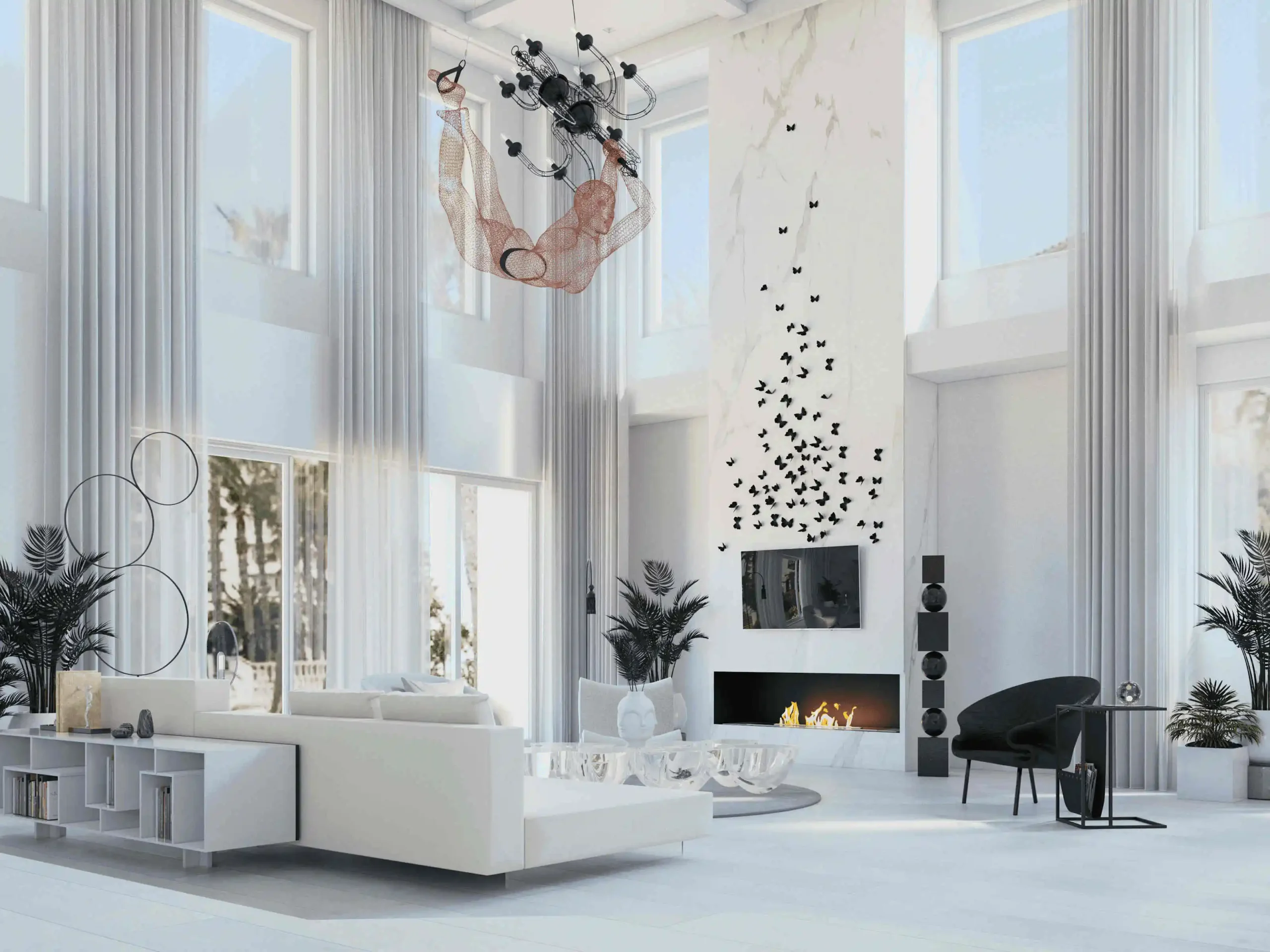
Lighting changes the ambiance of every room. When it comes to lighting in European homes decor lighting helps create an ambience by highlighting architectural details.
Not depending just on ceiling lights, use combinations of various lights:
• Crystal chandeliers
• Brass wall lights
• Floor lights
• Table lights
• Pendant lights
• Natural light
Warm lights immediately make the interior luxurious.
Textiles That Complete the Look
Textile elements bring comfort and warmth, while giving patterns to European home decor.
The most popular textiles used for interior design include:
• Linen
• Cotton
• Wool
• Velvet
• Silk
These fabrics can be found in:
• Curtains
• Bed linen
• Sets of blankets
• Pillows
• Upholstery
Natural textiles are beautiful and increase comfort indoors all year round.

Text-Based Infographic
Building the Perfect European Home Decor
Natural Materials
│
▼
Neutral Color Palette
│
▼
Quality Furniture
│
▼
Layered Lighting
│
▼
Elegant Textiles
│
▼
Classic Decorative Accessories
│
▼
Timeless European Interior
European Bedroom Decor That Feels Relaxing
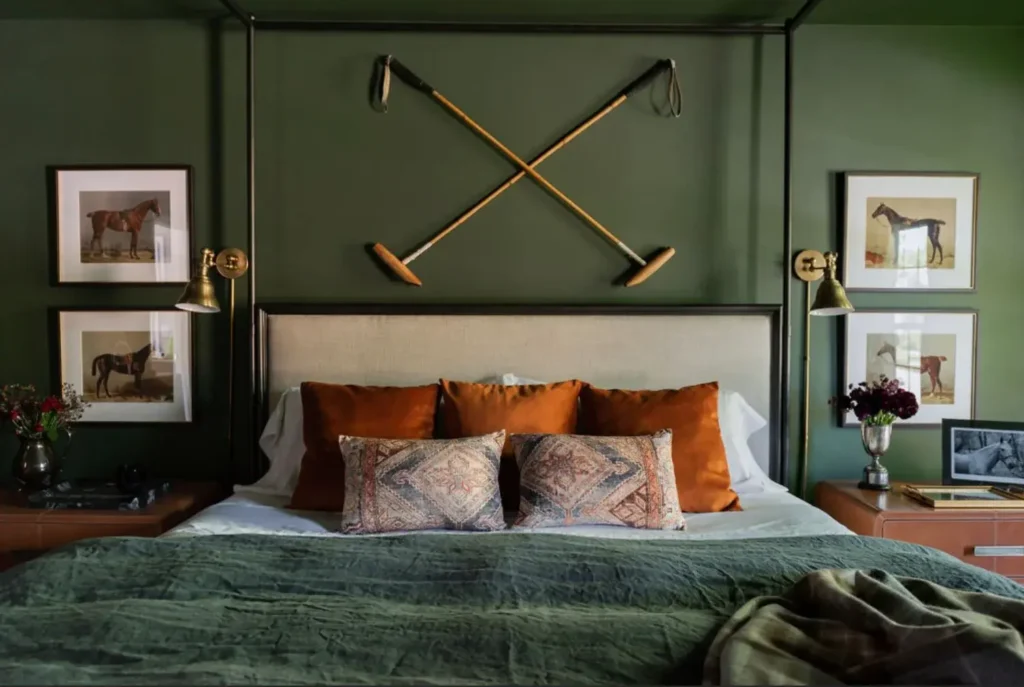
A bedroom must always be designed in a way that reflects peace and relaxation, and European home decor succeeds in doing so with understated elegance instead of over-decorating the room. This can be achieved by avoiding any unnecessary furniture and selecting only those items that would enhance the beauty and comfort of the room. The combination of a wooden bed frame, headboard, bedside tables, and bedding results in a very classic look.
The use of natural materials like linen, cotton, and wool is recommended since they have high breathability and durability. Soft neutral colors along with appropriate lighting give a sense of relaxation to the room.
Bedroom Features That Make a Difference
| Feature | Benefit |
| Upholstered Headboard | Adds comfort and elegance |
| Linen Bedding | Breathable and luxurious |
| Wooden Nightstands | Timeless appearance |
| Area Rug | Enhances warmth and texture |
| Warm Lighting | Creates a relaxing atmosphere |
Designing a Functional European Kitchen
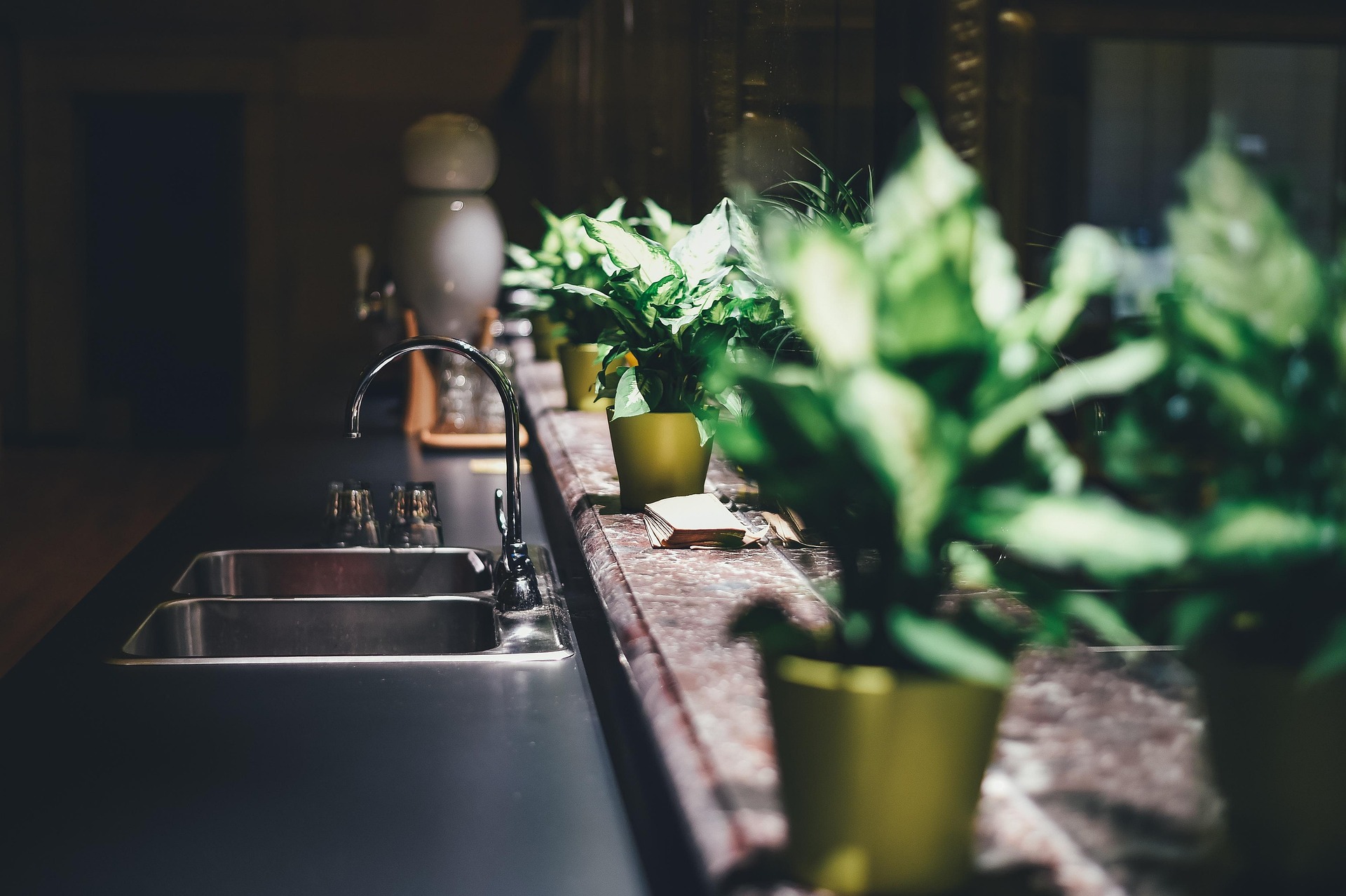
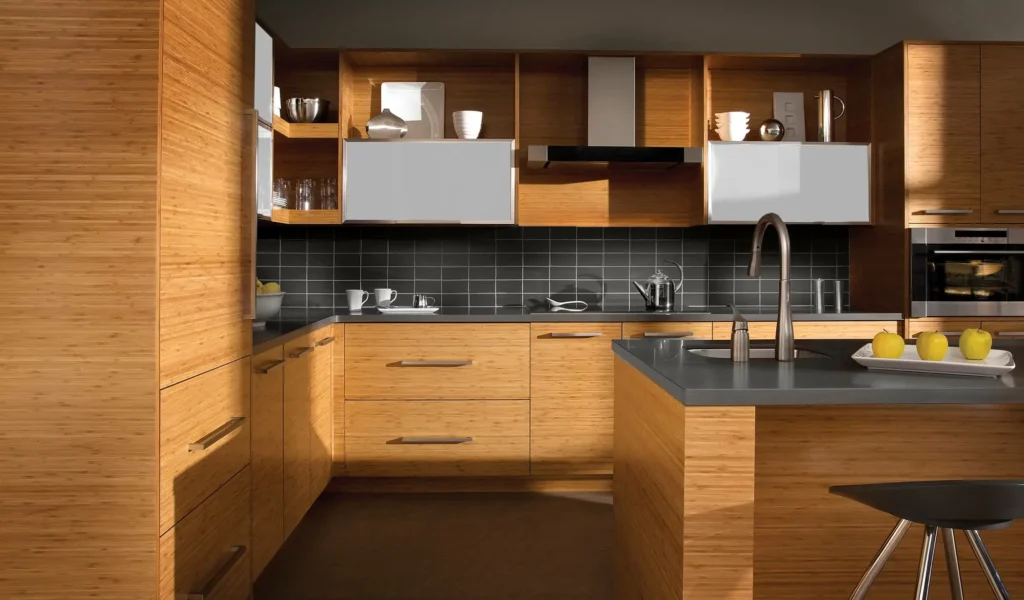
Kitchen is typically thought to be the hub of the house, and European home decor combines aesthetics and functionality in their kitchens. Good designs, top-notch material use, and great storage solutions make cooking a pleasure and keep a high-class appearance of the kitchen.
Natural stone countertops, cabinets, open shelves, and built-in appliances are among common elements in European home decor. Brass and matte black hardware makes the place a bit elegant while wooden accents create a feeling of softness in it.
Must-Have Kitchen Elements
Some of the must-have elements in the European-style kitchen include:
• Traditional European furniture for dining areas
• Marble or quartz countertop
• Wooden cabinets with simple decoration
• Farmhouse sink
• Pendant lights
• Shelves for decorative ceramic
Such kitchen elements will ensure the longevity of your kitchen style without being trendy.
Bathroom Ideas Inspired by European Elegance
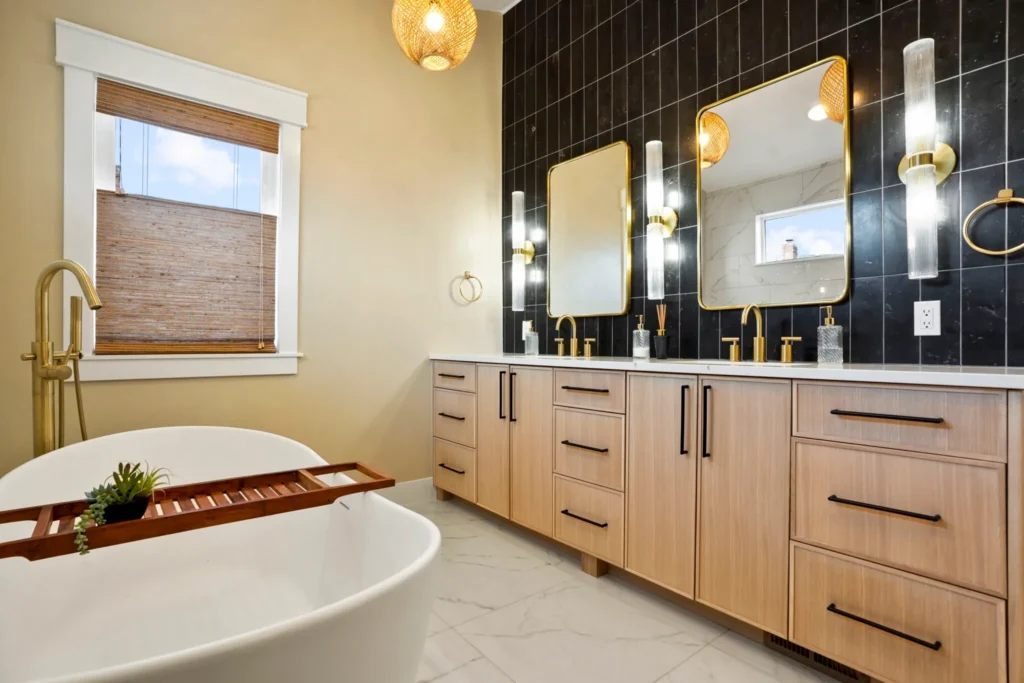
European home decor bathroom designs emphasize simplicity, luxury, and comfort. Materials of high-quality including marble, porcelain, natural stones, and glass are used to add elegance to the space while retaining functionality.
Freestanding baths, showers, vanities, and other minimalistic fixtures help to create a spa-like atmosphere in the room. The use of soft towels, woven baskets, and indoor plants is the final touch.
Decorating Walls the European Way
Walls hold a significant place in the development of the character of any space. As opposed to covering everything with decorations, European decorating ideas emphasize careful ornamentation that will complement the architecture.
Some of the common wall ornaments include molding, textured walls, stylish wallpaper, giant mirrors, and selected artworks. All of these contribute to the aesthetics of the space without dominating it.
Tips on Selecting Artworks
Pick artworks that complement your style but harmonize with the interior at the same time. You can use landscapes, black and white photos, botanical illustrations, old engravings, and abstract artworks for decorating your European home.
Sometimes a few large artworks make more effect than many small ones.
Decorative Accessories That Complete the Look
Accessories should complement the overall look rather than overpowering the design. The best European home accessories should be both stylish and functional, bringing subtle sophistication to the interior of your home.
Some of the ideas to incorporate include ceramics vases, baskets, linen cushions, trays, candles, books, pottery, and houseplants. Combining diverse textures enhances the visual impact while maintaining the design theme.
Mixing Traditional and Modern European Styles
The biggest advantage of modern European home decor is the versatility that it allows. A homeowner does not have to sacrifice between the classical and the modern, because it is possible to combine the two into one harmonious setting.
For example, a blend of antiques with modern lighting fixtures, a minimalist interior design and old paintings, or the combination of traditional wooden surfaces with modern cabinetry results in an interesting interior.
Common Mistakes to Avoid
No amount of attractive furniture can make up for bad planning. Steer clear of decorating blunders to ensure that your project of decorating your European home decor out looking elegant and refined.
Common mistakes include:
• Procuring furniture without first measuring the size of the room.
• Decorating with an excess of decorative items.
• Not considering the natural light source.
• Selecting fashionable colors instead of classic ones.
• Blending different styles of decorating.
• Buying cheap furniture because it is affordable.
• Hanging excessive art on walls.
Pros and Cons of European Home Decor
| Pros | Cons |
| Timeless and elegant appearance | Premium furniture can be expensive |
| High-quality materials last longer | Requires thoughtful planning |
| Increases property appeal | Authentic pieces may cost more |
| Comfortable and functional spaces | Some styles require larger rooms |
| Easy to personalize | Quality craftsmanship takes time to source |
Text-Based Infographic
European Home Decor at a Glance
| Element | Best Choice |
| Color Palette | Cream, Beige, White, Sage, Olive |
| Flooring | Hardwood, Marble, Stone |
| Furniture | Solid Wood, Upholstered Pieces |
| Fabrics | Linen, Cotton, Wool |
| Lighting | Chandeliers, Wall Sconces, Table Lamps |
| Decorative Style | Minimal Yet Elegant |
| Popular Influences | French, Scandinavian, Mediterranean, English |
| Best Accessories | Mirrors, Plants, Ceramics, Books |
How to Maintain a European-Inspired Home
An appealing interior is not the endpoint, but the starting point. Proper upkeep and occasional renewals are more important in European home decor than redesigning your home.
Use special cleaners to dust your wooden furniture, change your decorative items seasonally, wash your fabrics as per the directions, and maintain minimal clutter. Changing the flowers, plants, or pieces of art once in a while will give your house a new look without having to renovate it.
Why European Home Decor Never Goes Out of Style
While interior designs undergo changes quite often, European home decor has certain aspects that stand the test of time. Well-made, well-proportioned, and lasting designs make them evergreen.
No matter whether you choose French country home decor, Mediterranean interior design, or Scandinavian home decor, the most important aspects are authenticity and functionality.
Frequently Asked Questions
What is European home décor?
European home decor is the interior design style that draws inspiration from several European countries. This style involves the use of classic furniture, natural materials, elegant colors, and practical space.
Which colors are suitable for European homes?
The most popular colors include white, cream, beige, gray, olive green, taupe, and soft blue since these colors give the interiors elegance and sophistication.
Is modern European home décor suitable for small homes?
Yes, it is, because modern European design features simplicity and functional furniture layout as well as natural light sources that make great options for apartments and smaller homes.
Which furniture do European people use in their homes?
Quality wooden furniture, sofas, dining table, armchair, bookshelf, and other handmade storage furniture can be found in European home decor.
How to decorate my home on a budget?
I can achieve this style by repainting the walls in neutral colors, using timeless furniture, natural textiles, vintage decorative items, and making gradual investments in quality furniture.
Can I combine different European decorating styles?
Absolutely. Many homeowners successfully blend Scandinavian home decor, French country home decor, and Mediterranean interior design to create unique interiors while maintaining a cohesive color palette.
Conclusion
The interior of European homes decor appealing to homeowners owing to the combination of elegance, comfort and practicality that has been achieved without compromising on anything. From the elegance of French Country home decor to the simplicity of Scandinavian home decor and the warmth of Mediterranean interior design, there are many options available from the world of European decor ideas.
It is possible to achieve success in designing a home using the principles of European home decor by making the right decisions regarding furniture and other elements used in designing homes. The basic principle is selecting quality over quantity, and use of natural materials to create rooms that serve a specific purpose.