Sage Plant Spanish is a lovely and aromatic herb that has been gaining popularity among gardeners, herbalists, and landscapers. The Mediterranean native herb is valued for its aromatic leaves, beautiful purple flowers, and drought resistance. If you are planning to establish an herb garden, a pollinator-friendly garden, or need a maintenance-free ornamental herb, then this herb is the one you should consider.
This herb, which goes by the name Spanish Sage Plant or its scientific name, Salvia lavandulifolia, is loved for many reasons apart from adding beauty to your garden. This herb will not only decorate your garden but will also add aromatic qualities to your garden. This guide gives detailed information on everything you should know about growing sage plant Spanish.
What Is Sage Plant Spanish?
The sage plant Spanish is an evergreen perennial shrub that belongs to the mint family (Lamiaceae). Even though it is similar to other species of culinary sage, Salvia lavandulifolia has narrow leaves, dense growth, and a strong scent.
This herb originates from Spain and other Mediterranean countries; therefore, it has an ability to grow naturally in a sunny area with a dry climate and drainage soil. The sage plant Spanish is considered to be one of the easiest drought-tolerant herbs to grow nowadays.
Unlike other herbs, the sage plant Spanish grows effortlessly with minimal care.
Quick Plant Profile
| Feature | Details |
| Botanical Name | Salvia lavandulifolia |
| Common Name | Sage plant spanish, Spanish sage plant |
| Plant Type | Evergreen perennial herb |
| Family | Lamiaceae |
| Mature Height | 18–30 inches |
| Mature Width | 18–36 inches |
| Sunlight | Full sun |
| Soil Type | Well-draining sandy or loamy soil |
| Water Needs | Low after establishment |
| Flower Color | Blue to violet-purple |
| Hardiness | USDA Zones 6–9 |
Why Gardeners Love Sage Plant Spanish
Sage plant Spanish is highly valued due to its versatility and appearance. The compact shape, aromatic leaves, and flowers of Spanish sage make it an excellent plant for use in herb gardens, border plants, rock gardens, and containers.
Additionally, one of the key advantages of the Spanish sage plant is that it is able to thrive in arid regions where most herbs have difficulty surviving. It needs minimal additional watering once the plant becomes established.
Furthermore, the flowers of Spanish sage are very attractive to pollinators, including bees and butterflies.
Botanical Characteristics of Salvia lavandulifolia
Insight into the natural growth pattern of Salvia lavandulifolia can assist gardeners to create favorable conditions for its growth.
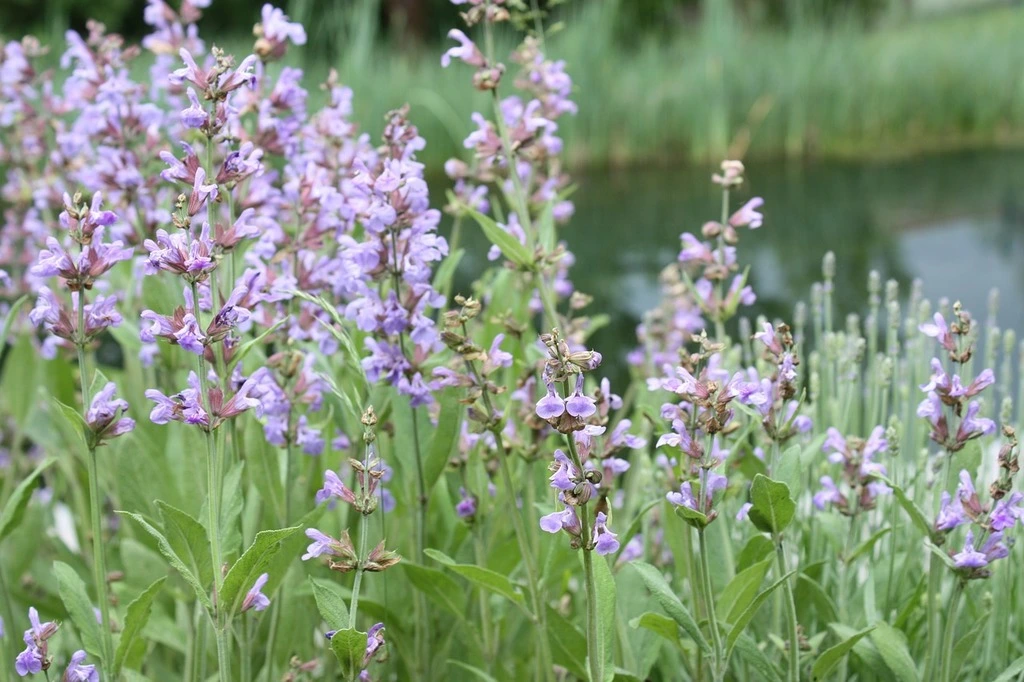
The plant forms woody stems that feature long, thin, grayish green leaves which are high in fragrance oils. The plant produces spikes of delicate flowers that are light purple in color during late spring and early summer.
The compact nature of the sage plant spanish allows it to be used in formal and informal gardens.
Difference BetweenSage Plant Spanish and Common Sage
Many gardeners confuse sage plant spanish with common culinary sage because both belong to the Salvia genus. However, there are several important differences.
| Feature | Sage Plant Spanish | Common Sage |
| Botanical Name | Salvia lavandulifolia | Salvia officinalis |
| Native Region | Spain | Mediterranean |
| Leaf Shape | Narrow and slender | Broad and textured |
| Aroma | Strong, fresh fragrance | Earthy herbal aroma |
| Growth Habit | Compact shrub | Bushy herb |
| Water Needs | Very drought tolerant | Moderate |
Although both species have ornamental and aromatic qualities, Spanish sage herb is especially valued for dry-climate landscaping.
Best Climate for Growing Sage Plant Spanish
Sage plant Spanish naturally prefer warm Mediterranean climates where summer is hot and the winter season remains moderately cool.
Spanish sage plant has remarkable heat and drought tolerance and is among the most ideal Mediterranean herbs that thrive well in areas where summers are long and dry. However, though Spanish sage plants can withstand some cold conditions, freezing temperatures can harm young plants.
In areas with colder climate, Spanish sage plants are grown in pots which are moved to protected areas during extreme winter seasons.
Ideal Growing Conditions
| Requirement | Recommendation |
| Sunlight | 6–8 hours of direct sun daily |
| Temperature | 60–85°F (16–29°C) |
| Humidity | Low to moderate |
| Soil pH | 6.5–7.5 |
| Drainage | Excellent |
Providing these conditions allows the sage plant spanish to develop dense foliage and abundant flowers.
Choosing the Perfect Planting Location
Selecting the right place for planting is crucial in successfully growing Spanish sage.
The right place will be one that is exposed to maximum sunlight during the day and also has good air circulation. You should avoid areas where there are low places that retain water since it is damaging to the root system.
Raised beds, herb garden, rock garden, and sunny borders are perfect places for sage plant spanish.
Best Soil for Sage Plant Spanish
Healthy soil is among the most essential considerations that should be taken into account when growing Spanish sage care.
The best soil for Spanish sage should be well-drained and rich to some extent. Clay soils have excess moisture retention capabilities and usually result in root rot, while sandy or loamy soils are more draining as required by this herb.
Soil Mixture
The mixture which is recommended for healthy Spanish sage includes:
• Well-managed garden soil
• Loose sand
• Compost
• Perlite or small gravel
• Mulching at the base of the plant
How to Plant Sage Plant Spanish
Proper planting of the sage plant spanish will lead to a quick establishment and better growth.
Step 1: Soil Preparation
Prepare the soil by loosening and adding compost where necessary.
Step 2: Make a Holes
Make a hole that is roughly double the size of the root ball.
Step 3: Set the Plant
Set the plant in such a way that the top of the root ball is at the same level as the ground.
Step 4: Fill and Water
Gently fill the hole, press down the soil, and water to make the roots settled.
Spanish Sage CareAfter Planting
Good Spanish sage care during the planting phase will affect how they will grow for years to come.
Young sage plants need frequent water until their roots establish. The mature sage plant spanish will become very drought resistant and will not require much care anymore.
It is important not to overwater since this is one of the main reasons why plants do not grow well.
Spanish Sage Watering Guide
Spanish sage watering should be easy and crucial.
Let the uppermost part of soil get dried before watering. By doing deep watering, the plant will develop deep-rooted growth and become stronger to endure drought conditions.
In case of rain, extra watering is not needed.
Sunlight Requirements
The sage plant Spanish thrives in sunny spots.
Ensure you give them at least six to eight hours of sunshine daily. Sunshine helps them grow in a compact form, have sturdy stems, flower abundantly, and produce more essential oils in their leaves.
Shade-grown plants end up being leggy with less flowering.
Fertilizing Sage Plant Spanish
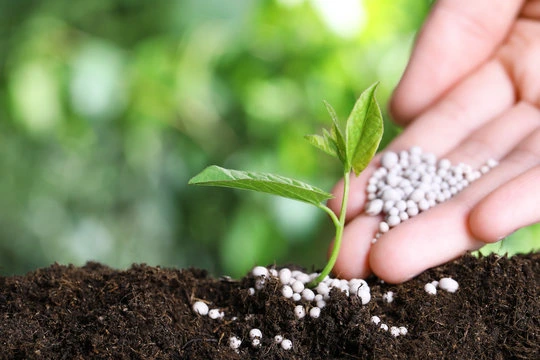
Unlike other plants that bloom, sage plant spanish does not need much fertilizer.
It needs only composting once a year in the spring season or fertilizer once in the season of growth. Too much fertilizer results in leafy plants but reduces their fragrance and flower development.
Organic compost is still one of the best fertilizers for growing Spanish sage.
Growth Timeline
| Plant Age | Expected Development |
| First Year | Root establishment and steady leaf production |
| Second Year | Fuller shrub with increased flowering |
| Third Year | Mature compact plant with abundant blooms |
| Four Years and Beyond | Well-established ornamental herb requiring minimal care |
Spanish Sage Propagation: How to Grow New Plants
Among the numerous benefits of growing sage plant Spanish, ease of propagation stands out. From increasing the size of your garden to sharing with friends, it is possible to propagate healthy plants through cutting, planting seeds or division. Of all these methods, cutting is the most efficient way to do it.
Choosing healthy plants ensures that the off springs are even more vigorous.
Propagating by Stem Cuttings
The best technique for propagating Spanish sage plants is through stem cuttings, which create copies of the mother plant.
Step 1: Choose a Good Stem
Pick a good stem that has not flowered and measure it between 4 and 6 inches long, with healthy leaves.
Step 2: Prepare the Cutting
Strip the leaves from the bottom portion of the cutting, while keeping some on top. You can dip it into the rooting hormone if you have any.
Step 3: Pot the Cutting
Put the cutting into a pot that contains a light, well-draining potting medium composed of perlite, peat moss, or coarse sand.
Step 4: Provide Water
Water the soil lightly and place the pot in bright indirect sunlight until roots form, which should take a few weeks.
Growing from Seeds
Seed germination, although less rapid than rooting of cuttings, may also be considered for growing Spanish sage.
Plant the seeds in a seedling mixture with good drainage in springtime. Ensure the growing media remains moist while maintaining temperatures between 65° and 75°F (18° and 24°C). The germination period typically takes two to four weeks.
Spanish Sage Pruning Guide
Regular Spanish sage pruning will help it to remain compact in shape, encourage good air circulation and produce new growth.
Light pruning should be done after the blooming period through removal of old flower spikes and leggy branches. Do not prune the old and wood-like branches since they may fail to regenerate.
Pruning will also help the sage plant spanish to become bushier and remain more appealing.
Best Time to Prune
Spanish sage pruning should be done right after flowering or at the start of spring when no new growth is about to occur.
It’s essential to use clean and sharp pruning shears and clean them between each pruning session to minimize disease spread.
Spanish Sage Benefits
Apart from being an ornamental plant, the Spanish sage herb plant provides many practical benefits for homeowners.
The fragrant leaves will attract pollinators and repel garden pests, adding texture and colors to your herb garden. Spanish sage benefits have also been tied to aromatics and herbal uses traditionally, but caution must be taken when trying to use the plant medicinally.
The sage plant Spanish is highly beneficial for water-saving gardens as it requires minimal watering.
Growing Sage Plant Spanish in Containers
Container gardening is a good idea for gardeners who have only a patio, balcony, or other small garden area.
The dwarf growth of the Spanish sage makes it very suitable for planting in pots and herb containers. Another advantage of container gardening is that it makes it possible to protect the plants from cold weather.
Choosing the Best Container
For effective container gardening, you should use pots that give good drainage.
The best pot should:
• Have a minimum width of 12–16 inches.
• Contain many drainage holes.
• Be made of permeable material, like terracotta or ceramic.
• Offer enough space for further root development.
Replace the pots every two to three years if the plant is root-bound.
Companion Plants for Sage Plant Spanish
Selection of compatible companions will enhance the beauty as well as the health of your herb garden.
Excellent sage companion plants include:
• Lavender
• Rosemary
• Thyme
• Oregano
• Echinacea
• Yarrow
• Catmint
• Gaillardia
These Mediterranean herbs have the same needs of sunlight and water.
Do not plant sage plant Spanish beside herbs that need moisture.
Common Pests
Even though it is fairly resistant, the sage plant Spanish may encounter pests at times.
Aphids
They attack the soft shoots of the plant and may make the plant weak.
Control: They can be sprayed with water or insecticidal soap.
Spider Mites
They tend to occur when the weather is hot and dry.
Control: Neem oil and horticultural soap are effective in controlling them.
Whiteflies
They live under the leaves of the plant where they draw sap from the plant.
Control: Yellow sticky cards attract and trap them.
Common Diseases
Sage plant Spanish is usually resistant to diseases when cultivated under appropriate circumstances.
But too much moisture can lead to issues such as:
Root Rot
Generally a result of poor drainage or overwatering.
Prevention: Ensure good soil drainage and reduce watering intervals.
Powdery Mildew
This is a fungus that forms a white film on the leaves.
Prevention: Make sure there is proper air circulation and do not water overhead.
Leaf Spot
Fungal leaf spots may form occasionally under very wet conditions.
Prevention: Prune off the affected leaves and water from the bottom.
Landscaping Ideas with Sage Plant Spanish
The aesthetic properties of the sage plant spanish have made this plant highly adaptable in terms of landscaping.
The plant complements flowering perennial plants, ornamental grasses, and stone paths very well. Some areas where this plant can be used include:
• Ornamental herb border gardens
• Rock garden landscapes
• Xeriscaping
• Raised herb beds
• Patio pots
• Pollinator gardens
• Dry gardens
This is because the sage plant is one of the most drought-tolerant herbs.
Common Mistakes to Avoid
Many gardeners unintentionally reduce the health of their sage plant spanish by making a few avoidable mistakes.
| Mistake | Better Practice |
| Overwatering | Allow soil to dry slightly between waterings |
| Planting in shade | Choose a sunny location with 6–8 hours of light |
| Heavy clay soil | Improve drainage with sand or gravel |
| Over-fertilizing | Feed lightly once each growing season |
| Ignoring pruning | Remove spent flowers and leggy stems annually |
| Crowded planting | Allow adequate spacing for airflow |
Avoiding these mistakes keeps the plant healthy and encourages abundant flowering.
Expert Maintenance Tips
Gardeners who have grown Spanish sage know that the less disturbance it receives, the better.
This means that one checks whether the soil is dry before watering, removes dead flower spikes, adds fresh mulch every year, and checks the plant for pests.
Seasonal Care Calendar for Sage Plant Spanish
Following a seasonal maintenance schedule helps your sage plant spanish remain healthy, productive, and attractive throughout the year. Although this Mediterranean herb is naturally resilient, adjusting your care routine to each season encourages stronger growth and longer flowering periods.
| Season | Care Tasks |
| Spring | Plant new herbs, apply compost, begin light fertilization, and inspect for new growth. |
| Summer | Water deeply when needed, remove faded flowers, and monitor for pests. |
| Autumn | Reduce watering, perform light Spanish sage pruning, and prepare plants for cooler weather. |
| Winter | Protect young plants from frost, avoid overwatering, and remove damaged foliage. |
A consistent seasonal routine is one of the simplest ways to ensure long-term success with growing Spanish sage.
Winter Care for Sage Plant Spanish
While the sage plant spanish is more resistant to low temperature compared to other tropical herbs, frosty conditions may harm its leaves and stems.
If you want to care for your plant during winter:
• Mulch the plant’s roots with a thick layer of soil.
• Limit the watering, as growth becomes slower in the cold weather.
• Protect your outdoor plant by covering it with frost cloth.
• Move the potted Spanish sage plant to a sheltered patio or greenhouse.
When spring comes, remove the winter protection.
How Fast Does Sage Plant Spanish Grow?
Spanish sage is a plant that has an average rate of growth. In the first year, it spends much of its energy on root formation. Once the roots get matured, the plant gets filled out, more branches start growing, and the plant blossoms abundantly.
Factors affecting growth include the following:
• Sufficient sun
• Correct Spanish sage watering
• Drainage-rich soil
• Light feeding
• Pruning
• Suitable climate
This ensures that the plant retains its compact form and good-looking foliage for years to come.
Is Sage Plant Spanish Suitable for Pollinator Gardens?
Definitely. One of the main benefits of the plant sage spanish is that it attracts beneficial insects. It is due to the fact that the nectar-filled flowers act as a good food resource for:
• Bees
• Butterflies
• Hoverflies
• Pollinators
By adding Spanish sage herb into your garden you help create biodiversity and pollinate vegetables, herbs, and flowering plants.
Best Garden Uses for Sage Plant Spanish
Sage plant Spanish is one of the most versatile herbs that complement many different styles of landscaping.
It is commonly used for the following:
• Spanish herb garden
• Herb border
• Cottage garden
• Mediterranean garden
• Rock garden
• Xeriscaping
• Herb beds
• Decorative pots on patios
• Pollinator garden
The silvery green leaves of Spanish sage herb go well with lavender, rosemary, thyme and other Mediterranean herbs.
Pros and Cons of Sage Plant Spanish
| Pros | Cons |
| Highly drought tolerant after establishment | Poorly suited to waterlogged soils |
| Attractive silver-green foliage | May suffer in prolonged humidity |
| Excellent for pollinator gardens | Young plants require winter protection in colder climates |
| Easy to propagate from cuttings | Slower initial growth during establishment |
| Low-maintenance perennial herb | Requires full sun for best flowering |
| Suitable for containers and borders | Heavy fertilization reduces fragrance |
Understanding both the strengths and limitations of the sage plant spanish helps gardeners choose the best planting location and maintenance routine.
Frequently Asked Questions
Does Spanish sage plant belong to the same group as common sage?
No, since Spanish sage plant (Salvia lavandulifolia) features narrower leaves and belongs to the compact-growing species that is especially suitable for growing in dry Mediterranean climate.
What type of light does Spanish sage plant require?
In order to grow healthy, Spanish sage plant requires about 6-8 hours of full sun exposure on daily basis.
How frequently should I water Spanish sage plant?
Water Spanish sage properly according to the rules of watering of Spanish sage, letting the soil dry between two watering. Once your Spanish sage is established, it will become very drought resistant, so it will need occasional deep watering.
Can I grow Spanish sage plant in pots?
Yes, because Spanish sage plant grows very well in pots as long as you ensure sufficient drainage and ample light.
How do I grow the Spanish sage plant?
It is easy to grow Spanish sage using stem cuttings that are healthy. It is also possible to grow the plant from seeds, although this method tends to take longer.
Why are the leaves turning yellow?
Yellow leaves result from overwatering, bad drainage, and lack of sunlight. You can solve this problem by improving the drainage conditions and adjusting your watering schedule.
Is Spanish sage herb edible?
Spanish sage herb is commonly grown as an aromatic herb, and it is related to sage. Nevertheless, you should be certain about the plant you have because flavor and uses can vary between species.
Which fertilizer is the best one to use?
It is important to fertilize the Spanish sage just once per year using slow release fertilizer in spring and annually adding compost to the soil.
Conclusion
Sage plant Spanish is one of the best herbs that can be grown by gardeners for its beautiful, fragrant and drought-resistant nature as a perennial. With its elegant silvery-green foliage, pretty purple flowers, and ability to thrive in different environments, Spanish sage is useful not only in herb gardens but also in ornamental landscaping, rock gardens and water-efficient landscaping. Spanish sage uses range from Spanish sage benefits to Spanish herb garden and many more depending on whether one is growing ornamental sage plants.
Good Spanish sage care starts from planting in well-drained soil, placing the plants in sunny areas, watering properly, and pruning after flowering. Along with Spanish sage propagation techniques, seasonally appropriate maintenance and proper companion planting will ensure that your sage plant Spanish thrives for a long time. Homeowners who want to create sustainable gardens, attract pollinators, and grow attractive Mediterranean herbs can benefit greatly from growing the sage plant Spanish. With proper care and cultivation techniques, this amazing plant will provide you with wonderful foliage and flowers throughout the entire season.